Concrete and Contradiction: Inside Paul Tulett’s Brutalist Japan
A striking new photography book reframes Japan’s most divisive architectural style — raw concrete facades that hide gardens, craftsmanship, and quiet resilience beneath their brutalist surface.

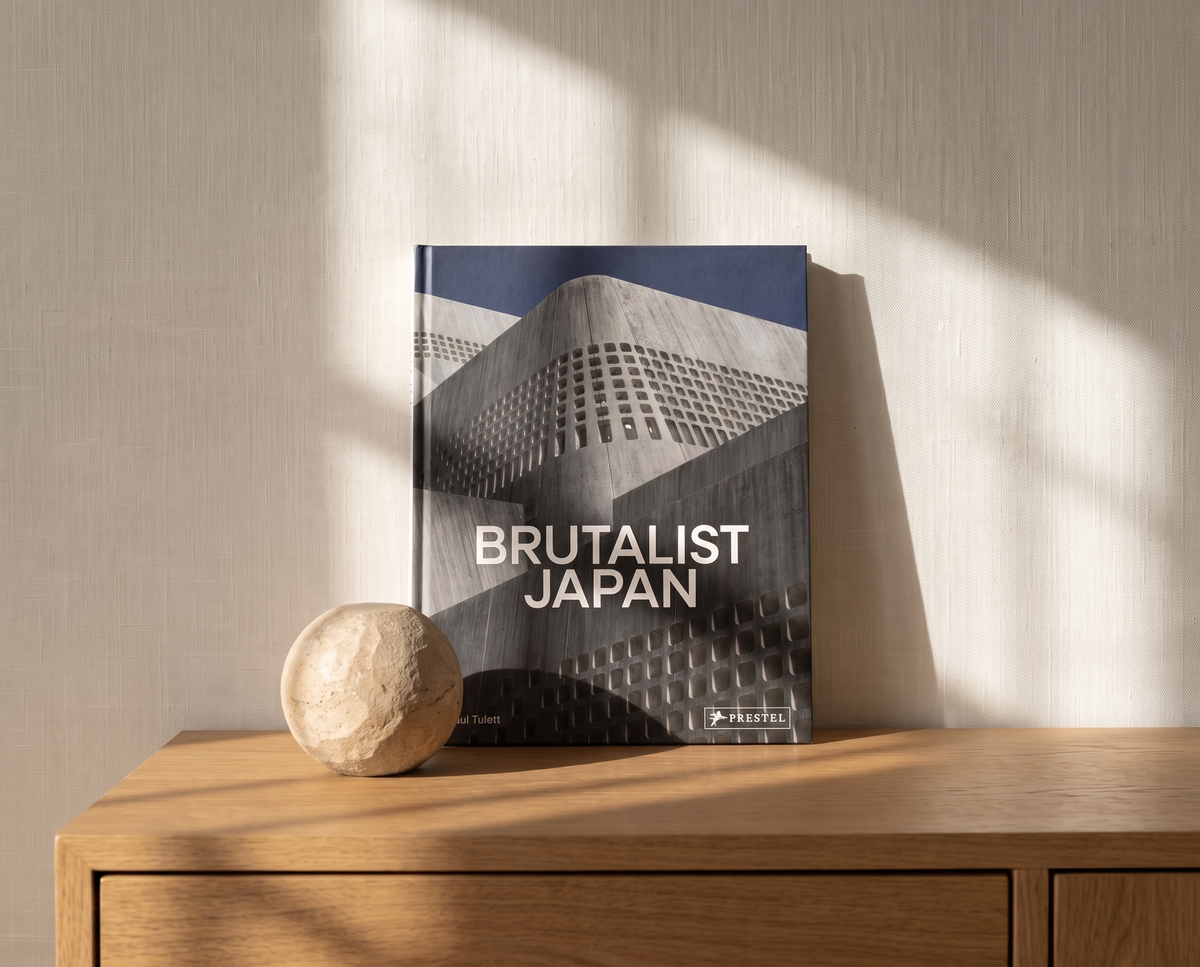
There’s a particular kind of confidence in a building that refuses to apologize for what it’s made of. That’s the thesis running through Brutalist Japan: A Photographic Tour of Post-War Japanese Architecture, photographer Paul Tulett’s 240-page love letter to a style most people either adore or can’t stand.
Tulett is a British architectural photographer and urban planner whose fascination with Brutalism deepened after he relocated to Japan to study urban planning. What he found there wasn’t the cold, monolithic concrete of European Brutalism — it was something stranger and more layered. He frames Brutalism as a movement people either love or dismiss as stark, but sees in it a raw honesty and resilience. In Japan specifically, that fascination grew after he discovered structures that fused modernist principles with traditional Japanese aesthetics.
That fusion is the real subject of the book. Traditional elements like gardens, courtyards, and a seamless relationship with the natural environment turn up again and again, giving the modern architecture a distinctly Japanese identity despite its global influences. Tulett points to the combination of concrete and steel alongside nail-less carpentry as a way for architects to carry tradition forward while embracing new building technology — a balance that figures like Kunio Maekawa managed to strike without alienating a more traditionalist audience.
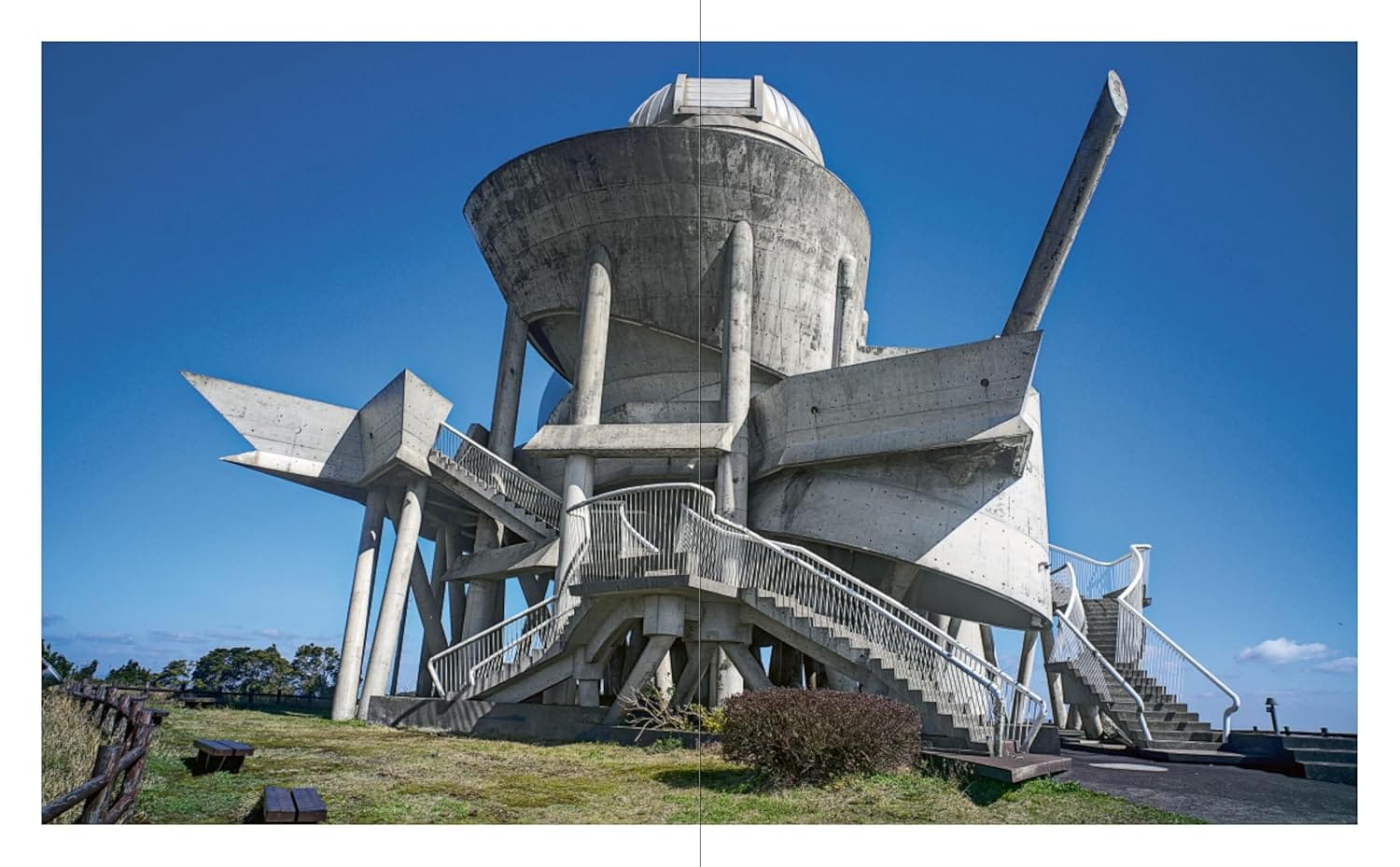
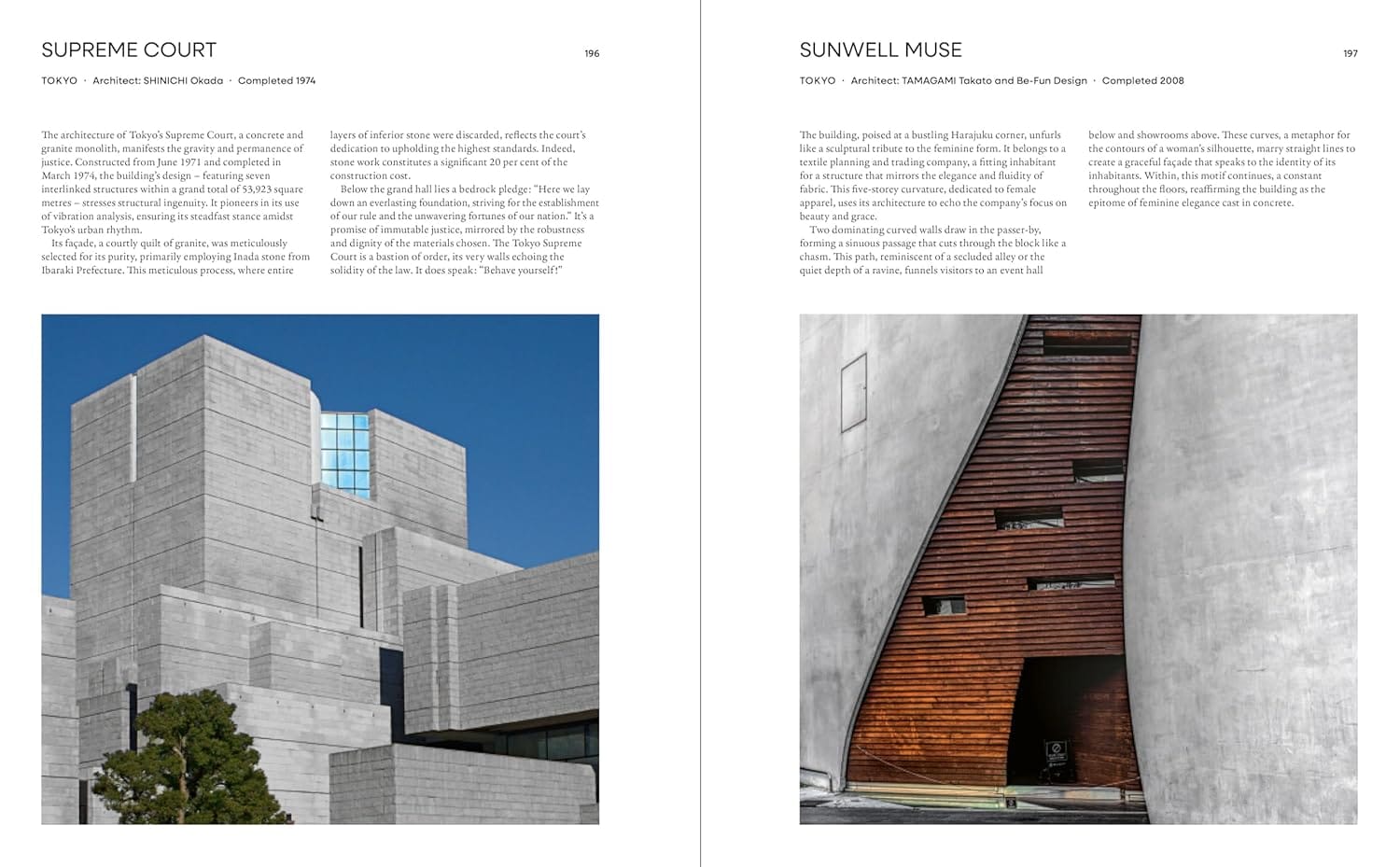
Over 220 color photographs spread across the book’s 240 pages, Tulett documents a genre far broader than most people expect. The buildings range from government complexes and schools to barber shops and public toilets, capturing both functional versatility and stylistic range. The work highlights heavyweights of the movement — Kenzo Tange, Tadao Ando, and Kazuo Shinohara among them — while also giving space to lesser-known, almost anonymous concrete structures tucked into ordinary streets.
What makes the collection feel urgent rather than nostalgic is the preservation angle running underneath it. Many of these buildings are aging, unloved by planning departments, and quietly disappearing. Tulett’s camera doesn’t just document Brutalism — it argues for it, one carefully composed frame at a time.
For anyone interested in architecture, mid-century design, or the more textured side of Japan’s post-war identity, this is a coffee-table book that rewards actual reading, not just flipping.
Brutalist Japan: A Photographic Tour of Post-War Japanese Architecture
By Paul Tulett | Published by Prestel | 240 pages, hardcover
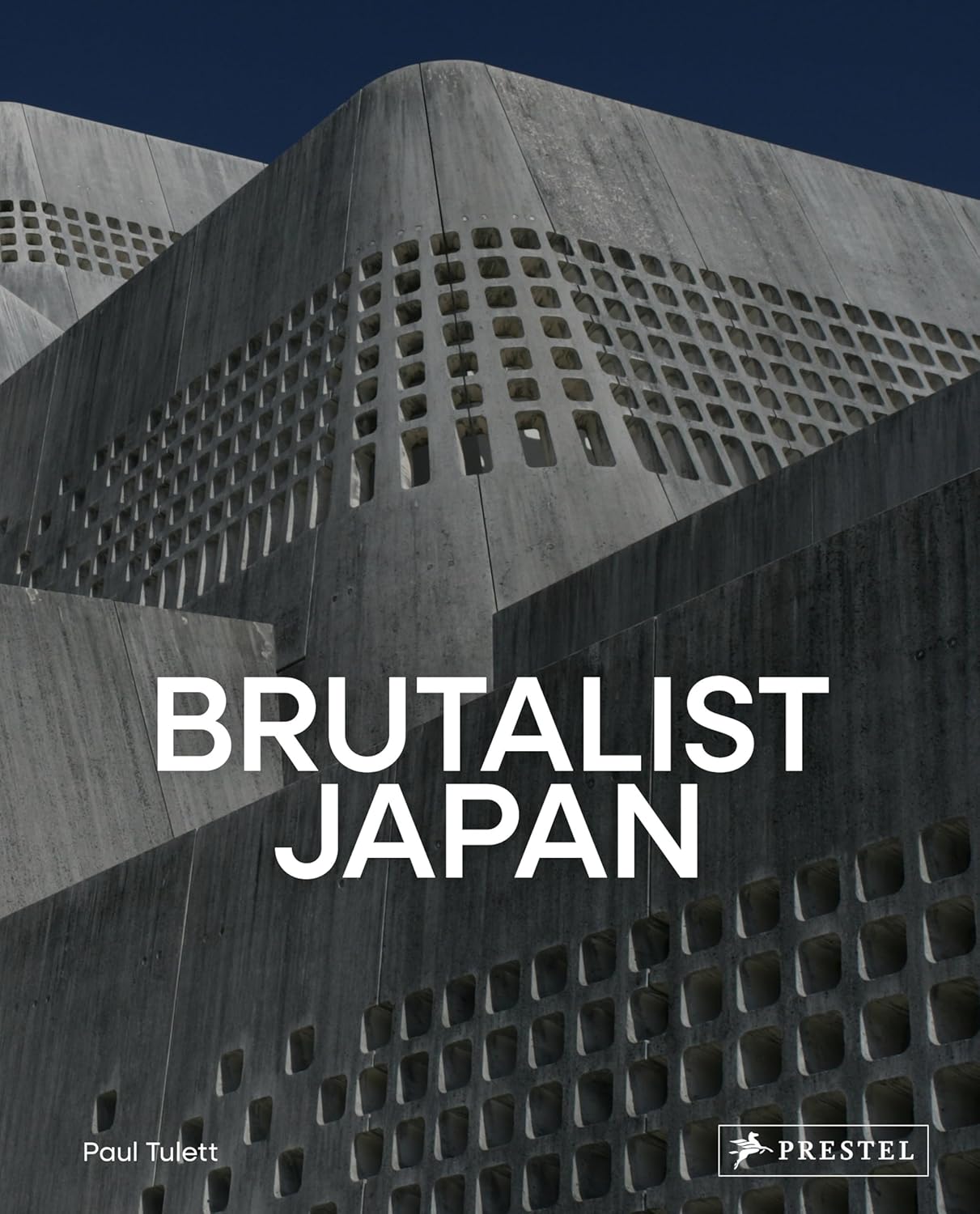
Brutalist Japan — Paul Tulett (Prestel)
Raw concrete, quiet gardens, and 240 pages of Japan’s most misunderstood architecture — beautifully argued for.